
 Why your ears resist depth, and how patient equalisation opens the door to deeper, calmer dives.
Cold Water, Warm Layers: What to Wear on the Coast
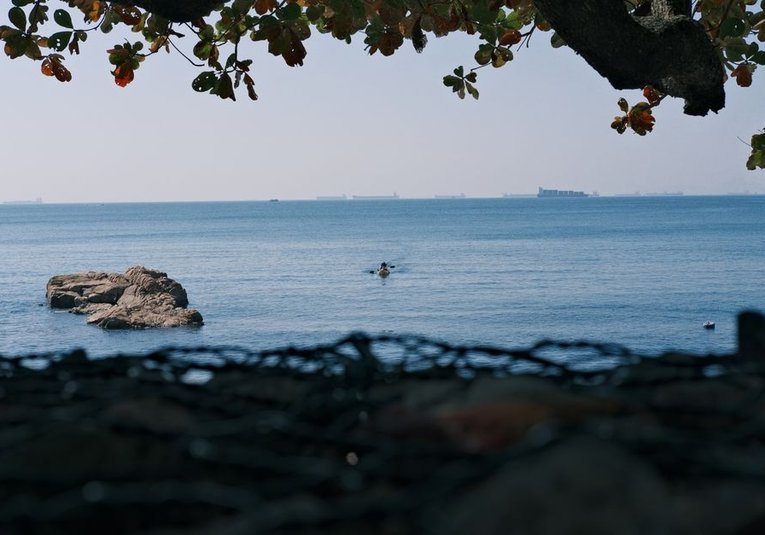
Coastal water is colder than most people expect. Even in places with warm summers, water temperatures lag air temperatures by weeks, and upwelling can drop a bay by several degrees overnight. The right clothing is what lets you stay in the water long enough to enjoy it — and, more importantly, long enough to get back safely if something goes wrong.
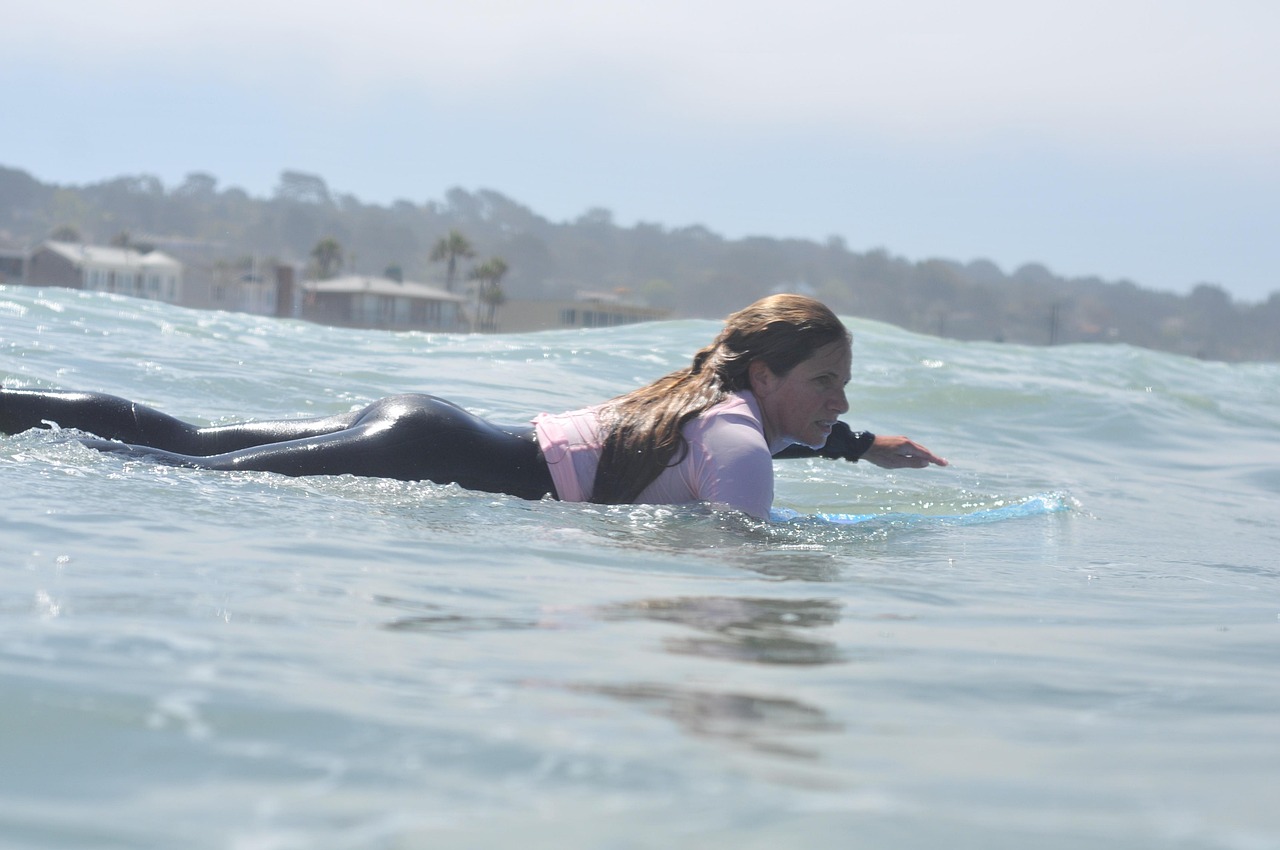
Think in layers. Against your skin, a base layer manages moisture. For cool water, that's often a wetsuit — neoprene of appropriate thickness for the temperature and the activity. For very cold water, a drysuit keeps you almost completely dry and allows a warm insulating layer underneath. For warm tropical water, a rash guard or thin neoprene top provides sun and sting protection without overheating.
Wetsuit thickness is usually described in millimeters, like 3/2 or 5/4, with the first number for the torso and the second for the limbs. More thickness means more warmth but less flexibility. For kayaking in cool water, a 3/2 or 4/3 full suit is a common choice. For snorkeling or freediving, a well-fitted freediving suit with a hooded top is warmer and more flexible than a surf suit of the same thickness, because the neoprene is more compressible and the fit is closer.
Hands, Feet, Head — and Why They Matter
Heat escapes fastest from your head, hands, and feet. A hood, gloves, and booties are not accessories — they're central to staying warm. Neoprene hoods come in different thicknesses, and a thin one can make a surprising difference. Gloves reduce dexterity, so paddlers often prefer thinner ones or pogies that attach to the paddle shaft. Booties should fit snugly but not tight, with a sole appropriate for the terrain you'll walk on.
Footwear matters more than people think. A paddler launching from a rocky shore needs different soles than someone walking sand. A snorkeler entering over coral needs protection but also sensitivity. Test your footwear on land before you trust it in the water.
Beyond the suit, consider what you carry. A dry bag keeps spare clothes, phone, and keys dry. A small first aid kit, a whistle, and a light are basic safety items for any coastal outing. If you're paddling, a PFD is not optional — it's the single most important piece of gear you own, and it should be worn, not stowed.
Adjusting for the Day, Not Just the Season
The forecast tells you air temperature, but water and wind decide how cold you'll actually be. A sunny, calm day in cool water can feel pleasant in a thinner suit. The same water with wind and cloud can chill you quickly. Check water temperature, wind, and duration, and dress for the worst of them, not the best. It's easier to vent a layer than to add one you didn't bring.
Get in the habit of a pre-launch check: suit zipped, hood on, gloves accessible, PFD snug, dry bag sealed. After a few outings it takes a minute, and it means the difference between a session that ends because you're done and one that ends because you're cold, tired, and far from shore. Dress well, and the coast opens up in every season.