
 Freediving begins not with holding your breath longer, but with learning to relax, float, and trust the water around you.
Paddling the Tidal Edge: Planning a Day Around the Tide
New coastal kayakers often plan trips around distance and destination. Experienced ones plan around tide. On many coastlines, the difference between a pleasant four-hour paddle and a miserable one comes down to whether the water was moving with you or against you — and whether the launch you left from still has water under it when you return.
Start with a tide table for your specific location. Tide times vary significantly over even short distances, so a chart for a town twenty miles away may be off by an hour or more. Learn whether your area experiences mixed semidiurnal tides, where the two daily highs and lows differ in height, or more uniform ones. The pattern affects how much water you'll have and when.
Currents are the next layer. In bays, estuaries, and channels, water doesn't just rise and fall — it moves horizontally, sometimes fast. A knot or two of current is barely noticeable when you're fresh and paddling with it. The same current on the way home, against a headwind, after four hours in the boat, is a different experience entirely. Plan your route so the strongest flow carries you in the direction you want to go.
Launching and Landing with the Water
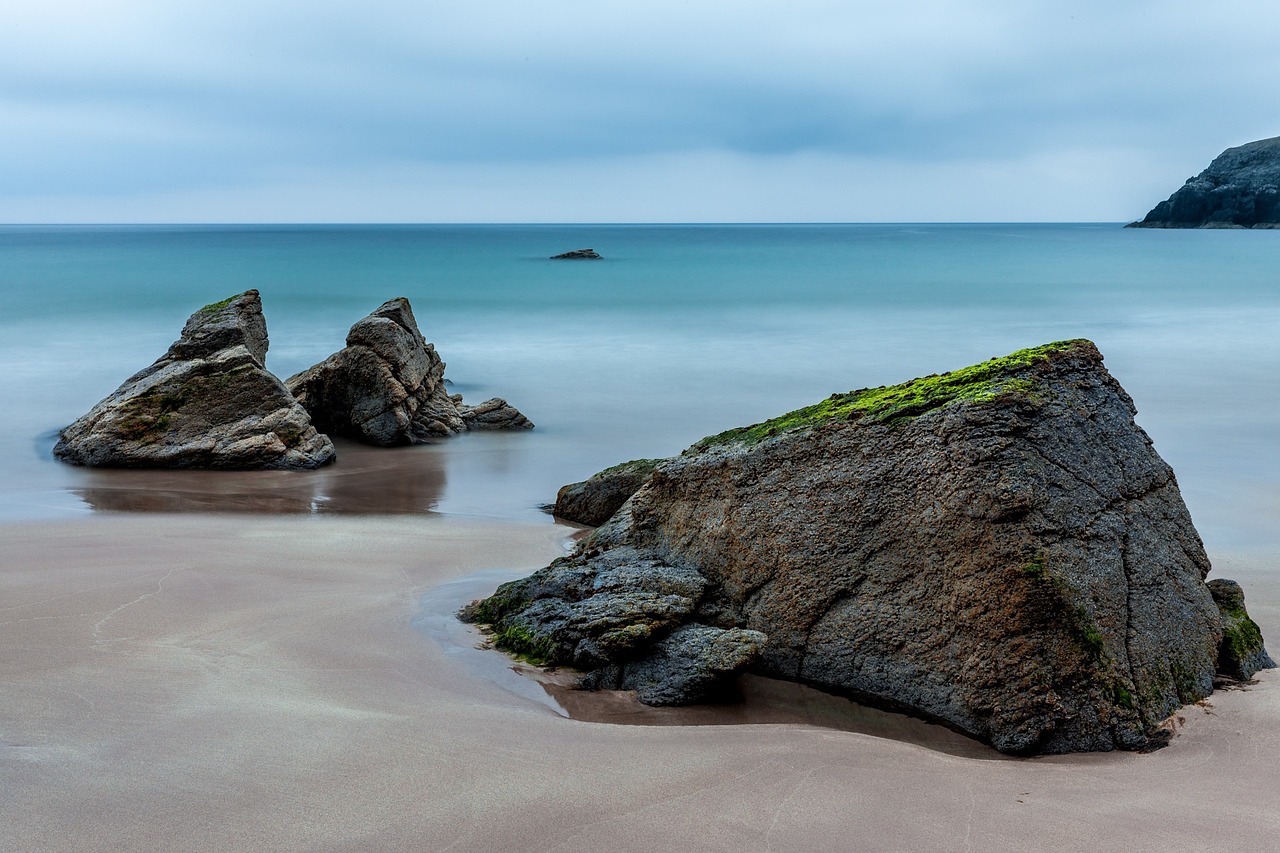
Beaches and boat ramps change character with the tide. A gentle sandy launch at high water can become a hundred meters of mud at low. A ramp that's easy at mid-tide may be unusable at the extremes. Walk your launch and landing spots at different tide stages before you commit to a plan. Take photos. Note landmarks. Knowing that a particular rock is covered at high tide but marks a safe channel at low is the kind of local knowledge that keeps trips smooth.
River mouths and estuary entrances deserve special caution. When an ebbing tide meets incoming swell, the result can be steep, confused chop that's difficult to paddle through. Time your passage for slack water if you can, and watch the water for a few minutes before committing. If it looks chaotic, wait. The tide will turn.
Wind and tide interact in ways that are worth studying. When wind blows against a strong current, the sea can stand up quickly, even in what the forecast calls moderate conditions. When wind and current align, the water flattens and you can make surprising progress. Check both before you go.
Building a Simple Tidal Plan
Pick a destination. Look up the tide times and heights. Identify the direction of flow during the hours you'll be out. Sketch a route that uses the flow to your advantage — out with the ebb, back with the flood, or the reverse, depending on your local pattern. Note the time of slack water, and plan to be at any tricky passages then. Give yourself a buffer of an hour on either side for the unexpected.
Then check the wind, the swell, and the weather. If any one of them conflicts badly with your plan, change the plan or pick another day. The tide is predictable, which makes it a gift. Use it, and paddling starts to feel less like fighting the ocean and more like moving with it.