
 The coastal paddler's toolkit for staying oriented when the horizon disappears and the water starts moving.
The Ocean at Night: Bioluminescence, Dark Water, and Respect
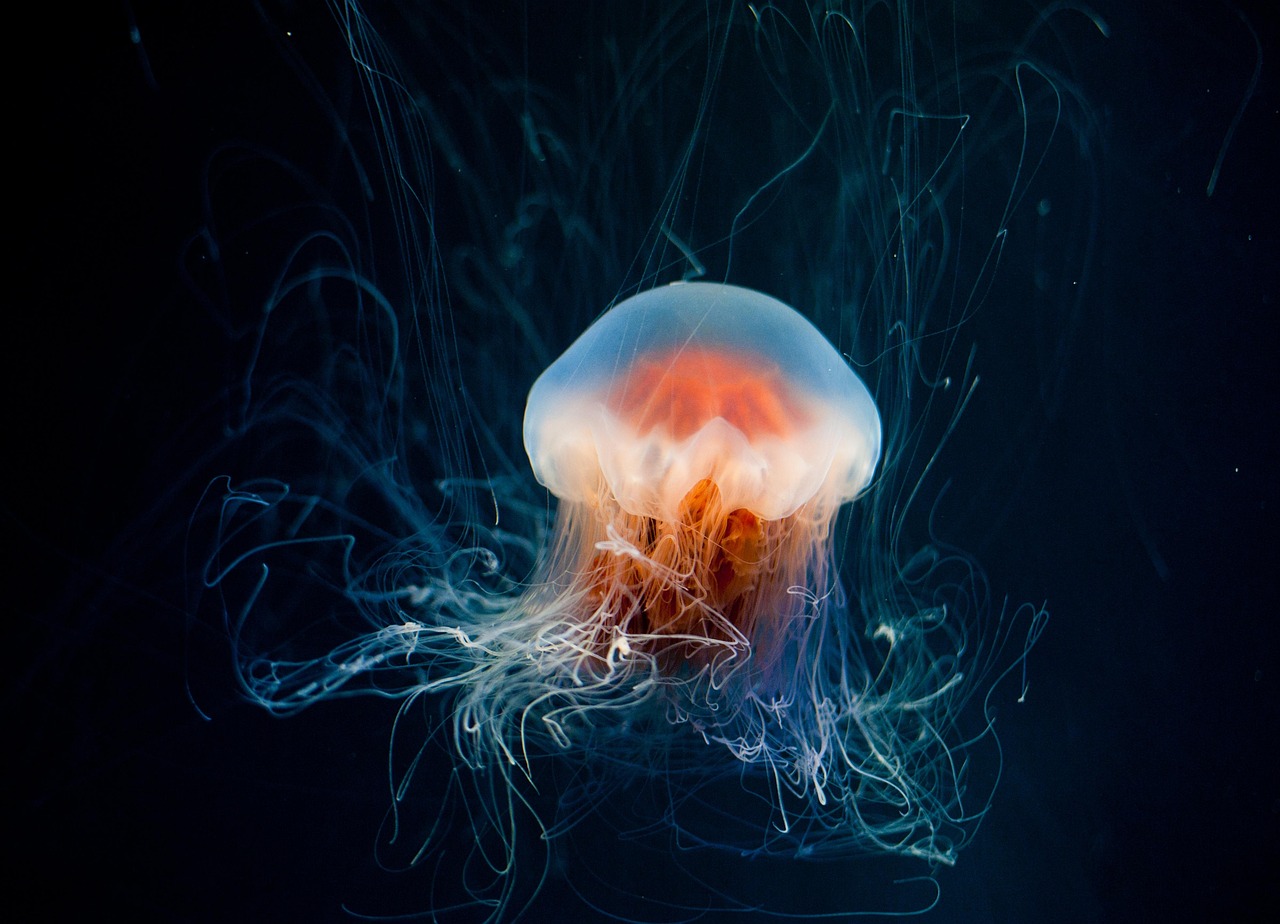
On certain nights, along certain coasts, the sea turns to liquid light. Every paddle stroke leaves a trail of blue-green sparks, every wave breaks in a silent flare, and the beach itself glows where the water retreats. This is bioluminescence, and it is one of the strangest and most beautiful things the ocean does.
The light comes from living organisms, mostly tiny plankton called dinoflagellates, which flash when they are disturbed. The reaction is a chemical one, and it serves different purposes in different creatures: some use it to startle predators, some to attract mates, and some, like the famous fireflies of the sea, to lure prey. In coastal waters, the most common glow is a defence response, triggered by the movement of water, a paddle, a hand, or a breaking wave.
When and Where to Look
Bioluminescence is unpredictable, but it is not random. It tends to appear in calm, warm, nutrient-rich water, often in the warmer months and often in bays and sheltered coves where the plankton can concentrate. A spell of settled weather with light winds helps, because rough water disperses the organisms and mixes them too deep to see. Dark nights around the new moon are best, since any moonlight washes out the faint blue glow.
If you want to find it, start by asking local paddlers, surfers, and fishermen. Bioluminescence is a local secret more often than a published one, and the people who are on the water every day usually know which bays are glowing this week. Once you have a likely spot, go on a calm night, turn off every light you can, and let your eyes adjust for at least ten minutes. The glow is far fainter than photographs suggest.
A kayak is a wonderful platform for this. You sit low, you move slowly, and every stroke writes a line of light in the water. You can also swim in it, though only if you are a confident night swimmer and the water is warm enough. Even a hand trailed over the side will leave a comet trail of sparks.
Watching Without Wrecking It
Bioluminescence is a living process, and it is easy to disturb. Bright lights, loud noise, and constant churning all reduce the display and stress the organisms. Keep your headlamp off unless you need it, use a red light if you must see something, and move slowly. If you are swimming, avoid sunscreen and insect repellent, which can harm the plankton and everything that feeds on it.
Night paddling carries its own risks, and they are worth naming. Navigation is much harder in the dark, so stick to familiar water, stay close to shore, and carry a proper white light for other vessels to see you. Never paddle at night alone. Check the tide and the weather as carefully as you would in daylight, because a rising wind at midnight is far less forgiving than one at noon.
And know the difference between bioluminescence and something else. A single steady light under the water may be a diver, a boat, or a glow stick. A pale, diffuse glow on the surface may be moonlight. The real thing is blue-green, it flickers when disturbed, and it fades within seconds. When you see it, stop paddling. Sit still. Let the water settle, and watch the light die down, then brush your hand across the surface and watch it flare again. That small, quiet exchange, between you and a billion invisible organisms, is the whole point of going out at night.