
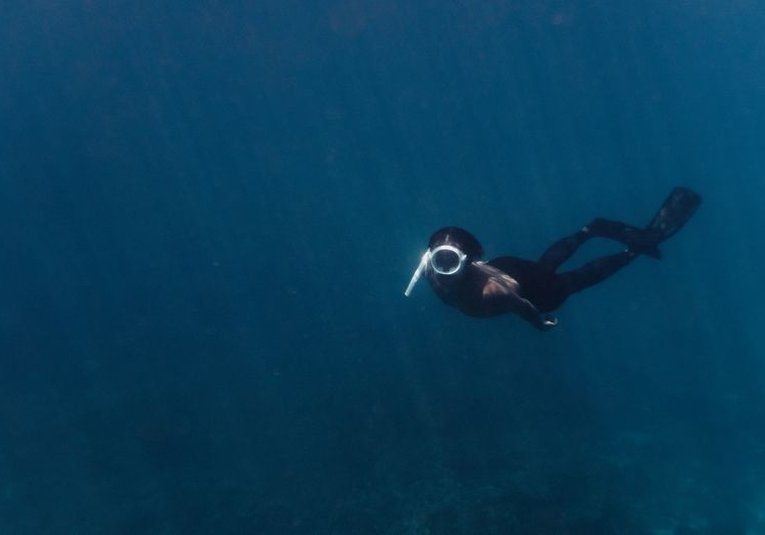
 Dressing for coastal water is a system, not a single piece of gear, and getting it right extends every session.
The Kayak Camping Overnight: Packing for Your First Beach Bivvy
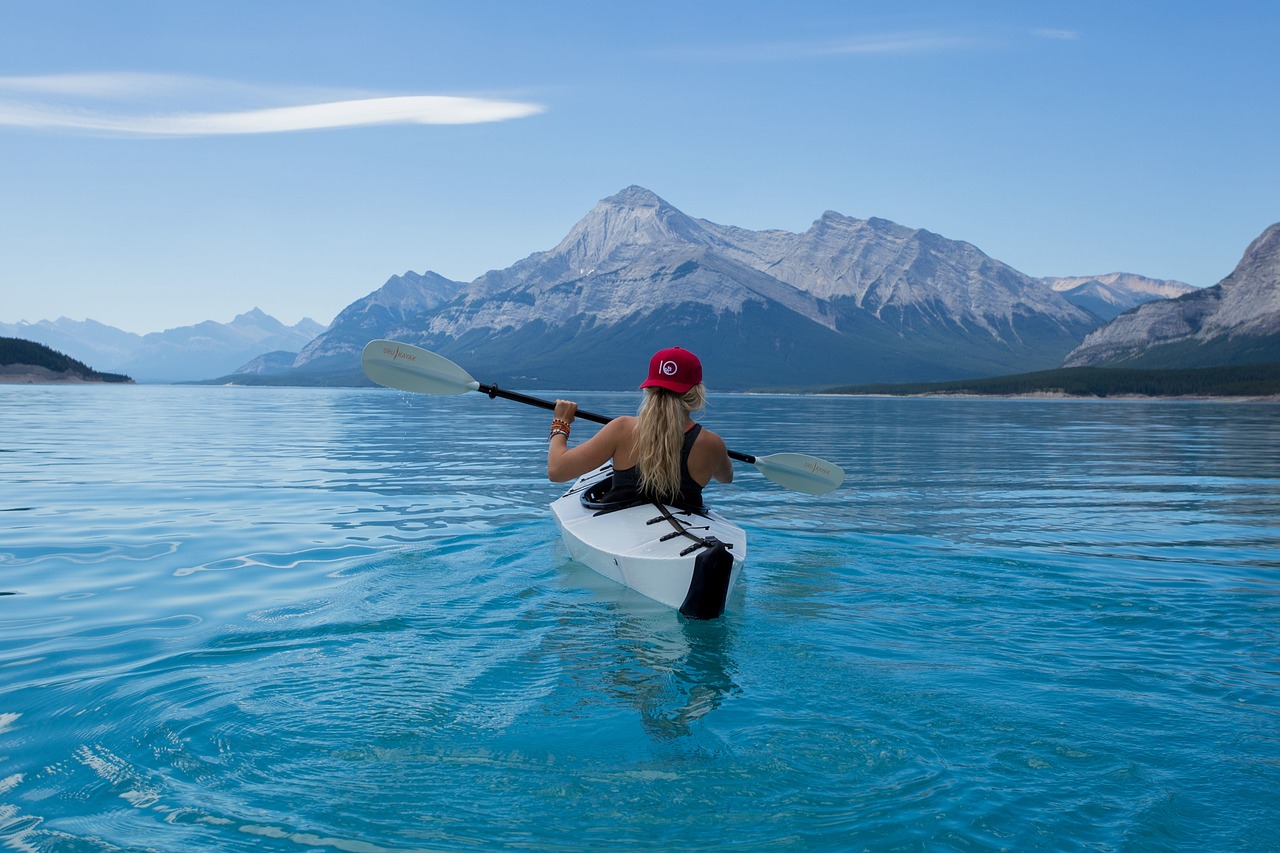
There is a particular moment that happens on every kayak camping trip, usually around the second hour of paddling, when the shoreline you launched from disappears behind a headland and the only way forward is the way you came. That is when the trip stops being a paddle and starts being a small expedition. Sleeping on a beach you reached only by boat changes the scale of everything: your gear, your meals, your sense of what is enough.
The first rule of kayak camping is that volume beats weight. Unlike backpacking, you are not carrying your kit on your spine, so a heavier but bulkier sleeping bag or a full-size camp stove is often the better choice. What you cannot compromise on is space. Every item needs to fit through a hatch, and hatches are smaller than they look in the shop.
What Actually Goes in the Boat
Start with the big three: shelter, sleep system, and water. A lightweight two-person tent splits neatly between two hatches, and a tarp strung between paddles works fine in dry, calm weather. For sleeping, a three-season bag rated a little colder than the forecast is worth the extra bulk, because beaches are damp and dampness steals warmth. Carry at least four litres of water per person per day, more if you are cooking, and remember that filtering from a coastal stream is rarely as simple as it sounds.
Food should be boring and calorie-dense. Oats, nuts, hard cheese, cured meat, instant noodles, and a small bottle of olive oil will keep you happier than any freeze-dried pouch. Cook on the beach above the high-water line, never in the tent, and never on sand that is still wet from the last tide.
Then there is the gear that keeps the trip safe rather than comfortable: a VHF radio or fully charged phone in a waterproof case, a headlamp with spare batteries, a basic first aid kit, and a repair kit with duct tape, cable ties, and a spare hatch cover. A spare paddle is not optional on a remote coast.
Picking the Beach and Timing the Landing
Not every beach is a campsite. Look for a spot above the storm line, where driftwood and seaweed mark the highest reach of winter tides. Avoid the mouths of streams, which can flood after rain, and avoid narrow coves where wind funnels and waves refract. If the forecast shows any onshore swell, choose a beach with a sheltered corner rather than an open sweep of sand.
Land well before dark. Arriving at dusk means pitching a tent in failing light on ground you have not inspected, and it means you will miss the small details that matter: a slope that will slide you into the tent wall, a rock under the floor, a patch of soft sand that will not hold a peg. Give yourself two hours of daylight on shore.
The tide is the other clock. Know when high water falls, and pitch your tent with a generous margin above it. Tides on open coasts can rise faster than people expect, and a tent that was dry at dinner can be floating by midnight. Set a quiet alarm to check the waterline once in the night, then go back to sleep. That small ritual is the difference between a nervous night and a good one.
In the morning, pack everything, leave no trace, and launch into water that is usually calmer than the afternoon will be. The paddle home always feels shorter, and the coast always looks a little different from the other side.