 Dressing for coastal water is a system, not a single piece of gear, and getting it right extends every session.


Slot Volatility Explained: Why Big Wins Aren't Always Better
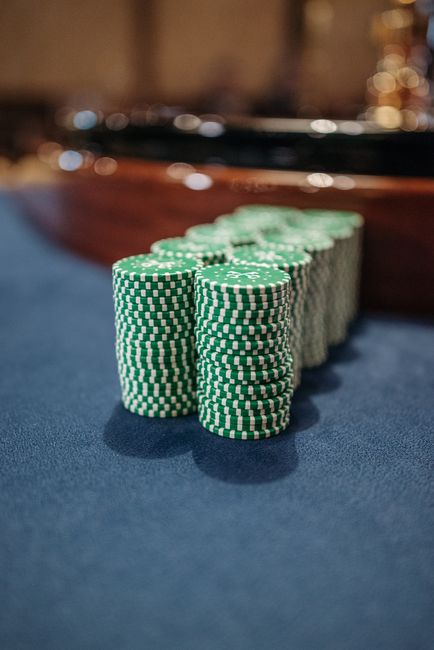
Two players sit down at the same online slot. One spins for twenty minutes and walks away up $400. The other grinds for two hours, hits a 1,200x bonus, and still ends up down $50. Same game, same stakes roughly. The difference wasn't luck alone—it was volatility, and understanding it is probably the single most underrated skill in modern iGaming. If you've ever wondered why your favorite streamer hits monster wins on a slot that drains your balance in minutes, this is why.
What Volatility Actually Means (Beyond the Marketing Buzzwords)
Volatility—sometimes called variance—describes how a slot distributes its payouts over time. Every game has a theoretical Return to Player (RTP), usually between 94% and 97%. But that number tells you nothing about how the money comes back to you. A low-volatility slot drips out frequent, smaller wins: think 2x, 5x, 10x your stake, arriving often enough to keep your balance relatively stable. A high-volatility slot might pay nothing for 300 spins, then slam you with a 500x bonus round.
Here's a concrete comparison. Starburst (NetEnt) sits at low-to-medium volatility with a 96.1% RTP. You'll see wins constantly, but the max payout caps around 500x. Money Train 2 (Relax Gaming) runs at 96.4% RTP with extreme volatility—its max win is 50,000x, but you can easily lose 200 spins straight before anything meaningful lands. Same RTP ballpark, radically different experience.
The Three Volatility Tiers and Who They Suit
Low Volatility: The Grinder's Choice
Low-volatility slots suit players who want longer sessions, bonus hunters clearing wagering requirements, or anyone playing with a small bankroll. You'll rarely double your money fast, but you'll rarely bust in five minutes either.
Medium Volatility: The Balanced Middle
This is where most mainstream slots live—think Book of Dead or Gonzo's Quest. Decent win frequency, respectable max wins in the 5,000x range, and enough variance to keep things interesting without punishing your patience too brutally.
High Volatility: Feast or Famine
High-volatility games are designed for players who accept that 70% of sessions will end in a loss, in exchange for the shot at a life-changing multiplier. Titles like San Quentin or Mental by Nolimit City push this to the extreme—30,000x+ max wins, but a hit frequency that can drop below 20%.
The Bankroll Rule Most Players Ignore
Volatility should dictate your bankroll math, not the other way around. A rough rule of thumb used by experienced players: your session bankroll should hold at least 200–300 spins at your chosen stake for high-volatility games, and around 100 spins for low-volatility ones.
Let's put numbers to that. Playing a high-volatility slot at $1 per spin with a $100 bankroll gives you 100 spins—statistically not enough to reliably reach a bonus trigger on many of these games. Drop to $0.20 per spin with the same $100 and suddenly you have 500 spins of runway, which is far more realistic for catching a big feature.
- Low volatility: Stake 1–2% of bankroll per spin.
- Medium volatility: Stake 0.5–1% per spin.
- High volatility: Stake 0.2–0.5% per spin.
This isn't about being conservative—it's about giving variance enough spins to actually work in your favor. Anyone weighing up options should see สล็อตเว็บตรง.
Volatility in Poker and Sports Betting: Same Principle, Different Skin
The concept extends well beyond slots. In poker, a tournament player faces far higher variance than a cash game regular. You might play 500 tournaments with a positive expected value and still be down money—ask any MTT grinder about a 30-buy-in downswing. Cash games offer lower variance: your win rate smooths out over a few thousand hands rather than tens of thousands.
In sports betting, backing heavy favorites at -300 odds is the low-volatility play: you win often, but the payout is small and a single upset wipes out several wins. Betting longshot underdogs at +400 is high volatility—you'll lose most of the time, but the occasional hit can swing your whole month. Understanding where you sit on this spectrum changes how you size your stakes and how you cope emotionally with losing streaks.
Reading the Numbers Before You Spin
Most reputable casinos publish key stats on the game info screen. Here's what to check:
- RTP: The long-run return percentage. Anything under 94% is on the stingy side; 96%+ is solid.
- Max win: A 50,000x cap almost always signals extreme volatility.
- Hit frequency: Some providers disclose this. Below 25% means long dry spells.
- Volatility rating: Usually shown as 1–5 or a star system.
For poker, track your own stats instead: your all-in EV adjusted winnings over at least 50,000 hands will tell you far more than a single session ever could. For sports, note your average odds across a month—if you're consistently taking +250 or longer, you're a high-variance bettor whether you realize it or not.
Why This Matters More Than Chase Picking
The biggest mistake players make is choosing games based on screenshots of massive wins they saw on social media. Those videos are the statistical outliers—the 1-in-a-million sessions that get clipped precisely because they're rare. If you're a casual player with a $50 budget on a Friday night, chasing a game with a 50,000x max win at $1 spins is a recipe for a five-minute session.
The smarter approach is matching volatility to your actual circumstances: your bankroll size, how long you want to play, and how you handle losing streaks psychologically. A player who tilts after ten dead spins has no business on an extreme-volatility slot, no matter how tempting that max win figure looks. Conversely, a patient grinder with a $500 roll might find low-volatility games mind-numbingly boring.
Ultimately, volatility isn't a flaw in game design—it's a dial. The same math that makes some sessions brutal makes others unforgettable. Learning to read that dial, and choosing the setting that fits both your wallet and your temperament, is what separates players who enjoy iGaming long-term from those who burn out chasing a payout that was never realistic in the first place. Pick your variance deliberately, and the game stops feeling rigged when it's just being honest about probability.